
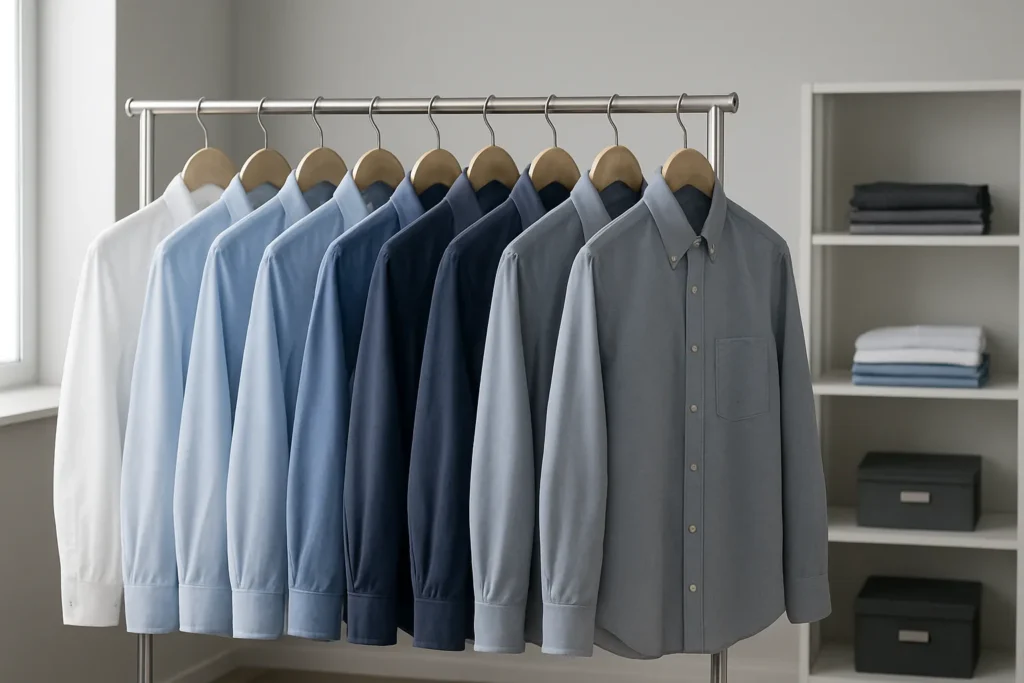
Choosing the Right Wholesale Long-Sleeve Shirts for Your Business
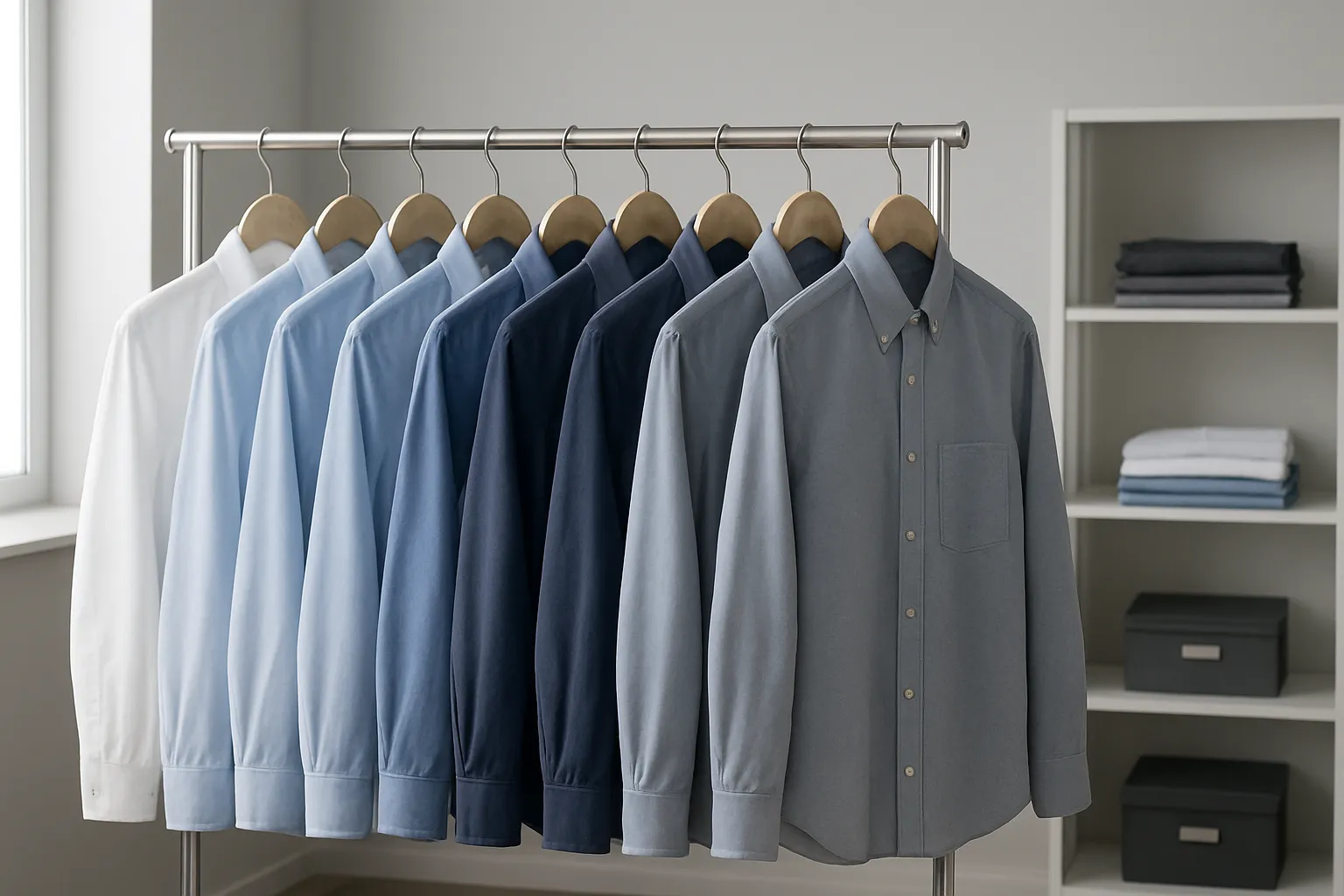
In the ever-evolving world of business, having the right wholesale long-sleeve shirts for your team can significantly impact your brand image. Choosing the right wholesale long-sleeve shirts is crucial for companies looking to enhance their professional appearance and promote a cohesive identity. These garments serve functional purposes and act as a canvas for branding, making them an essential investment for organizations of all sizes. In my experience, the right shirts can elevate not just the look of your team but also the overall morale. This article will guide you through selecting the ideal wholesale long-sleeve shirts for your company, ensuring that your bulk shirt orders meet your specific needs.
Specifications to Consider
When choosing wholesale long-sleeve shirts, several specifications come into play:
- Fabric Types and Quality: The fabric of the shirts is paramount. Options range from cotton, polyester, blends, and performance fabrics. Cotton offers breathability and comfort, while polyester is known for durability and moisture-wicking capabilities. Understanding your business’s nature can help in selecting the right fabric type that aligns with your operational needs.
- Size and Fit Options: An inclusive range of sizes and fits is essential to accommodate all employees. Consider whether you need tailored fits, relaxed styles, or unisex options. A well-fitted shirt not only enhances comfort but also boosts employee morale and professionalism.
- Color and Design Variability: The color and design of the shirts should reflect your brand identity. Many suppliers offer a variety of colors and customization options, including embroidery and screen printing. This flexibility allows you to create a unique look that resonates with your brand ethos.
Use Cases for Wholesale Long-Sleeve Shirts
Wholesale long-sleeve shirts serve multiple purposes within a business context:
- Corporate Branding and Uniforms: These shirts can be integral to your corporate branding strategy. Uniforms foster a sense of belonging among employees and promote a professional image to clients and customers.
- Promotional Events and Giveaways: Utilizing long-sleeve shirts as promotional items can enhance brand visibility. They are practical giveaways at events, ensuring your brand remains in the minds of potential customers long after the event concludes.
- Seasonal and Weather Considerations: Long-sleeve shirts are particularly beneficial during transitional seasons. They provide warmth in cooler weather while remaining stylish and professional, making them a versatile addition to your company’s wardrobe.
Comparing Different Suppliers
Not all suppliers are created equal, and it’s important to conduct thorough comparisons:
- Evaluating Supplier Reputation: Research potential suppliers by reading reviews and testimonials. A reputable supplier will have a track record of quality products and reliable service.
- Price vs. Quality Analysis: While cost is an important factor, it should not be the sole consideration. Compare the quality of the shirts offered by different suppliers to ensure you are getting value for your investment. Cheaper options may lead to higher costs in the long run due to poor durability or comfort.
- Customer Service and Support: Strong customer service can make a significant difference in your purchasing experience. Look for suppliers who are responsive and willing to assist with any inquiries or issues that may arise.
Sourcing Strategies
Determining where to source your wholesale long-sleeve shirts is a critical step:
- Domestic vs. International Suppliers: Domestic suppliers may offer faster shipping times and easier communication, while international suppliers might provide a wider range of options at competitive prices. Assess your priorities regarding cost, quality, and delivery timelines.
- Minimum Order Quantities: Different suppliers have varying minimum order requirements. Ensure that the quantities align with your needs to avoid overstocking or understocking.
- Shipping and Delivery Considerations: Factor in shipping costs and delivery times when making your decision. Reliable delivery is crucial to ensure that your bulk shirt orders arrive on time for events or employee distribution.
Implementation of Bulk Shirt Orders
Once you’ve selected your wholesale long-sleeve shirts, the next step is implementation:
- Planning Your Order: Carefully plan your order based on your analysis of employee needs, promotional events, and inventory levels. This foresight will help prevent unnecessary expenses and stock shortages.
- Managing Inventory and Stock Levels: Keep track of your inventory to ensure that you have the right amount of shirts on hand. Implementing an inventory management system can streamline this process.
- Distribution to Employees or Customers: Develop a clear distribution plan for getting the shirts to your employees or customers. This could involve direct distribution at company events or shipping to individual addresses.
Frequently Asked Questions
- What is the typical lead time for bulk orders? Lead times can vary significantly based on the supplier and the complexity of your order. Generally, expect a lead time of 2-4 weeks for bulk orders.
- How to handle returns and exchanges? Familiarize yourself with the supplier’s return and exchange policy before placing your order. This will ensure that you can address any issues that arise with the shirts.
- What are the payment options available? Payment options can differ by supplier, ranging from credit card transactions to net payment terms. Ensure that the payment method aligns with your company’s financial processes.
In conclusion, selecting the right wholesale long-sleeve shirts for your company requires careful consideration of various factors, from fabric quality to supplier reputation. By following this guide, you can make informed decisions that enhance your brand identity and meet the needs of your business. For more information on quality apparel, visit the American Apparel and Footwear Association for industry insights.