How to Choose Men’s Casual Shirts for Comfort and Professionalism
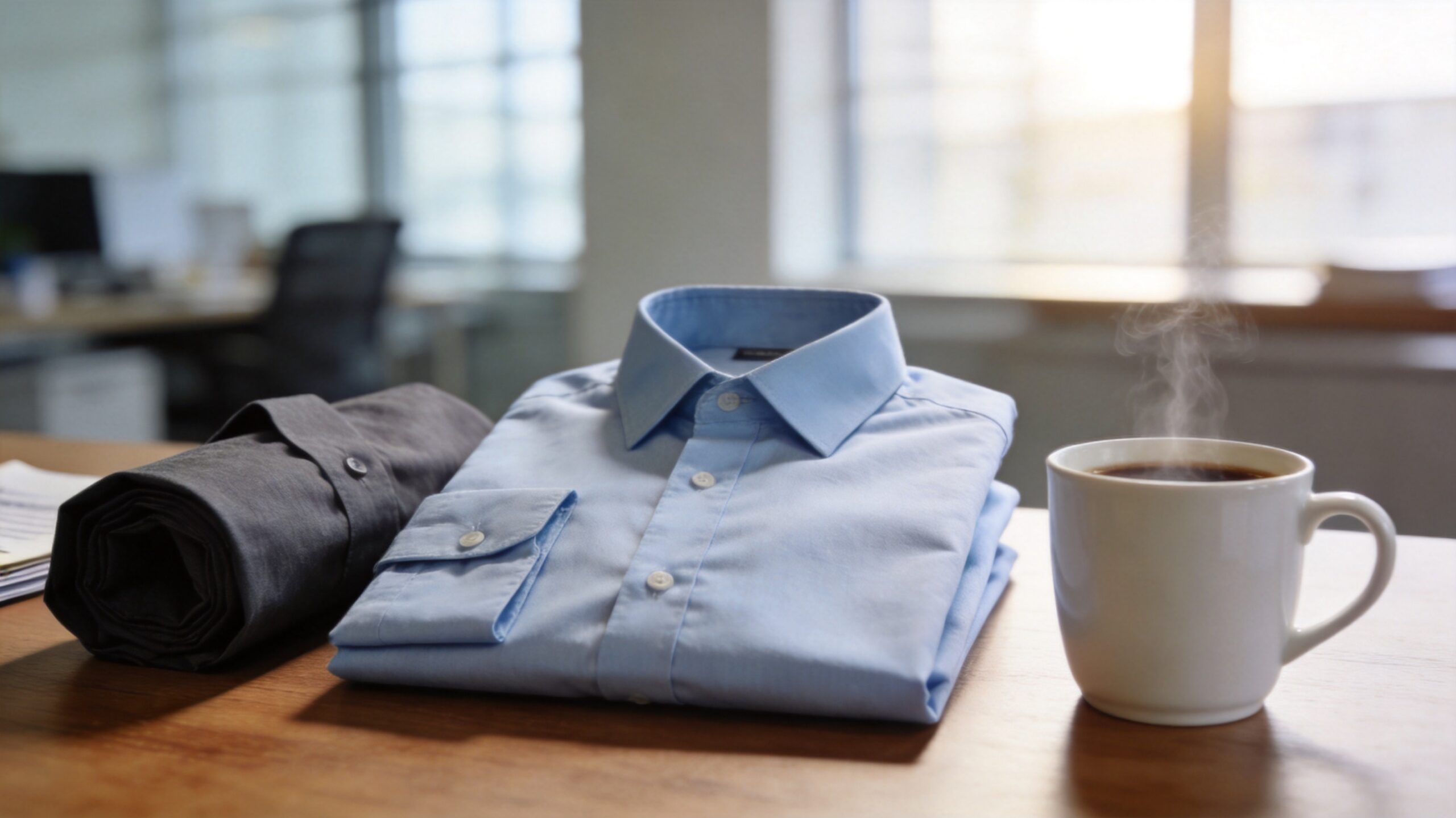
In today’s evolving workplace, the line between formal attire and relaxed dress codes has become increasingly blurred. Whether your team operates in a modern open-plan office, meets clients on-site, or represents your brand at industry events, the right apparel matters. Men’s casual shirts have emerged as the cornerstone of a versatile professional wardrobe—offering the polish of a dress shirt with the ease of weekend wear. However, selecting the right options for yourself or your organization requires more than picking a favorite color. This guide explores the critical factors that define quality, comfort, and professional appeal in casual shirts for men, ensuring your investment delivers both style and substance.
1. Why Fabric Choice Defines Comfort and Professionalism
The fabric is the single most important determinant of how a shirt performs throughout a demanding workday. It affects breathability, appearance, and how well the garment holds its shape from morning meetings to evening deadlines.
Breathable Cotton Blends for All-Day Wear
Pure cotton remains a benchmark for comfort, but blends offer enhanced functionality. A cotton-polyester mix provides the softness of natural fibers with the durability and quick-drying properties of synthetics. For warmer climates, look for fabrics with a higher cotton content—around 60-70%—to maximize airflow. Lightweight weaves such as poplin or pinpoint oxford allow air to circulate, preventing that overheated, rumpled look that undermines professionalism.
Performance Fabrics That Resist Wrinkles and Stains
Modern textile technology has introduced performance weaves that are game-changers for busy professionals. Wrinkle-resistant finishes reduce the need for ironing, while moisture-wicking properties keep the wearer dry and composed. Some advanced fabrics feature stain-repellent coatings, which are invaluable for those who transition from desk to client lunches. When evaluating men’s casual shirts, consider the balance between natural breathability and technical performance—the best options combine both without compromising on feel. For a closer look at how performance fabrics are engineered, you can explore our range of stretch and performance shirts designed for all-day wear.
2. Key Fit Considerations for a Polished Casual Look
Fit is where comfort meets credibility. A shirt that fits well instantly elevates the wearer’s presence, while an ill-fitting garment can undermine even the most expensive fabric.
Tailored vs. Relaxed: Matching Fit to Workplace Culture
Understand your workplace environment before choosing a silhouette. A tailored fit—slimmer through the torso with a slightly tapered waist—projects a sharp, contemporary image suitable for client-facing roles. Relaxed fits offer more freedom of movement and are ideal for creative industries or roles requiring physical activity. The key is consistency: a shirt that is too tight restricts movement and looks unprofessional, while one that is too loose appears sloppy.
Sizing Consistency Across Brands and Suppliers
One of the most frustrating challenges in purchasing men’s casual shirts is the lack of standardized sizing across manufacturers. A “medium” from one brand may fit like a “large” from another. For B2B buyers, this inconsistency creates logistical headaches. Always request detailed size charts and, ideally, order sample sizes before committing to bulk purchases. Establishing a relationship with a supplier who maintains consistent sizing will save time, money, and the hassle of returns. Our FAQ section provides guidance on sizing and ordering processes for bulk purchases.
3. Style Versatility: From Desk to Client Meetings
A truly professional casual shirt should transition seamlessly between internal work and external engagements. Versatility is achieved through thoughtful design choices.
Collar Styles That Transition Between Casual and Formal
The collar frames the face and sets the tone of the shirt. Button-down collars offer a classic, preppy look that works well with or without a tie. Spread collars provide a more formal appearance and pair elegantly with blazers. For maximum versatility, choose shirts with collars that hold their structure—avoid flimsy collars that curl or lose shape, as they detract from an otherwise polished outfit.
Color and Pattern Guidelines for Professional Settings
While personal expression is valuable, certain colors and patterns are more universally appropriate in professional contexts. Solid shades of white, light blue, and soft gray are safe, timeless choices. Subtle patterns such as micro-checks, fine stripes, or tonal textures add visual interest without overwhelming. Reserve bold colors and loud prints for casual Fridays or off-site events. When building a wardrobe collection, prioritize neutral tones that mix easily with different trousers and blazers. For inspiration on versatile patterns, check out our four-way stretch plaid shirt that balances style with professional appeal.
4. Durability and Care Requirements for Bulk Orders
For organizations purchasing in volume, durability directly impacts the bottom line. A shirt that wears out after ten washes is not a bargain, regardless of its initial price.
Stitching, Buttons, and Reinforcement Points
Inspect the construction quality before ordering. Look for single-needle stitching, which creates flatter, stronger seams. Buttons should be securely attached—ideally with reinforced shanks or cross-stitching—and made from materials that withstand frequent washing. Pay attention to high-stress areas like the collar points, placket, and shoulder seams. Quality reinforcement in these zones extends the garment’s lifespan significantly.
Laundry and Maintenance Costs Over Time
The true cost of a shirt includes its care requirements. Wrinkle-resistant fabrics reduce dry-cleaning expenses, while machine-washable materials lower operational costs. Consider the drying time and whether the shirt requires ironing. For bulk orders, these factors accumulate quickly. A slightly higher upfront cost for better fabric and construction often results in lower total cost of ownership over the shirt’s lifecycle.
5. Comparing Casual Shirt Types for Different Work Environments
Not all casual shirts are created equal. Different styles serve different purposes, and choosing the right type for your specific environment is essential.
Oxford, Chambray, and Knit Polo Options
Oxford cloth shirts are the gold standard for business casual—they are substantial, durable, and inherently more relaxed than dress shirts. Chambray offers a lighter, denim-like appearance that reads casual yet refined. Knit polos provide maximum comfort and breathability, making them ideal for warmer months or less formal settings. Each option has its place; many professionals maintain a mix to cover various scenarios.
Short-Sleeve vs. Long-Sleeve for Seasonal Needs
Seasonal versatility is crucial. Long-sleeve shirts can be rolled up for a relaxed look or worn fully buttoned for a more formal appearance. Short-sleeve shirts are practical for summer but can sometimes look less polished. A balanced wardrobe includes both, allowing employees to adapt to fluctuating temperatures and varying dress codes throughout the year. Our four-way stretch short-sleeve shirt offers a polished option for warmer months.
6. Sourcing and Quality Control for B2B Purchases
For procurement managers and business owners, sourcing reliable suppliers is as important as the product itself.
Evaluating Fabric Weight and Thread Count
Fabric weight, measured in GSM (grams per square meter), indicates density and durability. For men’s casual shirts, a weight between 130-170 GSM is typically ideal—heavy enough to drape well but light enough for comfort. Thread count, while more commonly associated with bedding, also affects shirt feel. Higher thread counts generally indicate smoother, finer fabrics, though they may be less durable for everyday wear.
Supplier Certifications and Sample Testing
Always verify supplier credentials. Look for certifications such as OEKO-TEX, which ensures textiles are free from harmful substances, or BSCI, which confirms ethical manufacturing practices. Never skip sample testing. Order samples from multiple suppliers, wash them repeatedly, and assess how they hold up. This due diligence prevents costly mistakes and ensures the final product meets your standards. To learn more about our manufacturing processes and quality standards, visit our company overview.
7. Cost-Benefit Analysis: Balancing Price and Longevity
The cheapest option is rarely the most economical in the long run. A thoughtful cost-benefit analysis considers both immediate expenses and long-term value.
Unit Pricing vs. Replacement Frequency
Calculate the true cost per wear. A $20 shirt that lasts six months costs more annually than a $40 shirt that lasts two years. Factor in the administrative costs of reordering, the downtime of employees wearing subpar attire, and the brand image implications of worn-out clothing. Quality men’s casual shirts are an investment in your team’s presentation and confidence.
Bulk Discounts and Inventory Management
Volume purchasing typically unlocks significant discounts. However, buying too much ties up capital and storage space. Analyze your team’s needs, seasonal requirements, and turnover rates. Implement an inventory system that tracks sizes and styles, ensuring you maintain adequate stock without overcommitting. Many suppliers offer tiered pricing, so negotiate based on your projected annual volume. For more insights on bulk purchasing strategies, refer to this industry reference on textile sourcing.
8. Frequently Asked Questions on Men’s Casual Shirts
What Is the Best Fabric for Hot Office Environments?
For warm climates, prioritize breathability. Lightweight cotton, linen blends, or performance fabrics with moisture-wicking properties are excellent choices. Look for open weaves and lighter colors that reflect heat rather than absorbing it. Avoid heavy twills or dense oxfords during peak summer months.
How Should Casual Shirts Fit for a Professional Appearance?
A professional fit should allow comfortable movement without excess fabric. The shoulder seams should align with the natural shoulder edge. The shirt should be close-fitting through the torso without pulling at the buttons. Sleeves should end at the wrist bone, and the hem should be long enough to stay tucked in during normal movement. When in doubt, a tailored fit is the safest choice for a polished look.
Choosing the right men’s casual shirts is a strategic decision that affects comfort, brand image, and operational costs. By prioritizing fabric quality, proper fit, versatile styling, and durable construction, you equip your team with apparel that performs as hard as they do. Whether you are refreshing your personal wardrobe or outfitting an entire organization, the principles outlined above will guide you toward choices that balance professionalism with everyday comfort. For additional technical reference on fabric standards and performance metrics, consult engineering resources that detail textile specifications.