
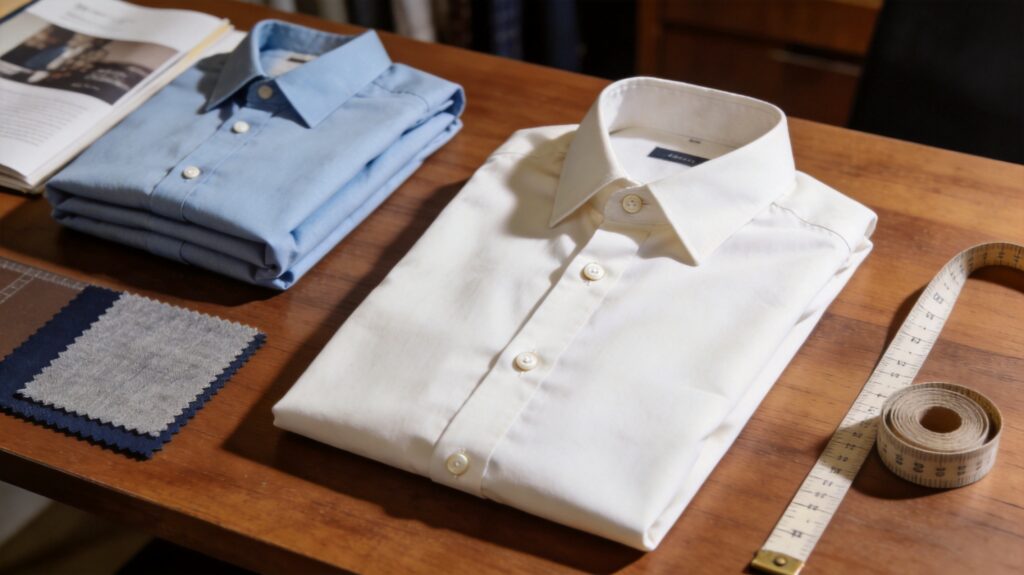
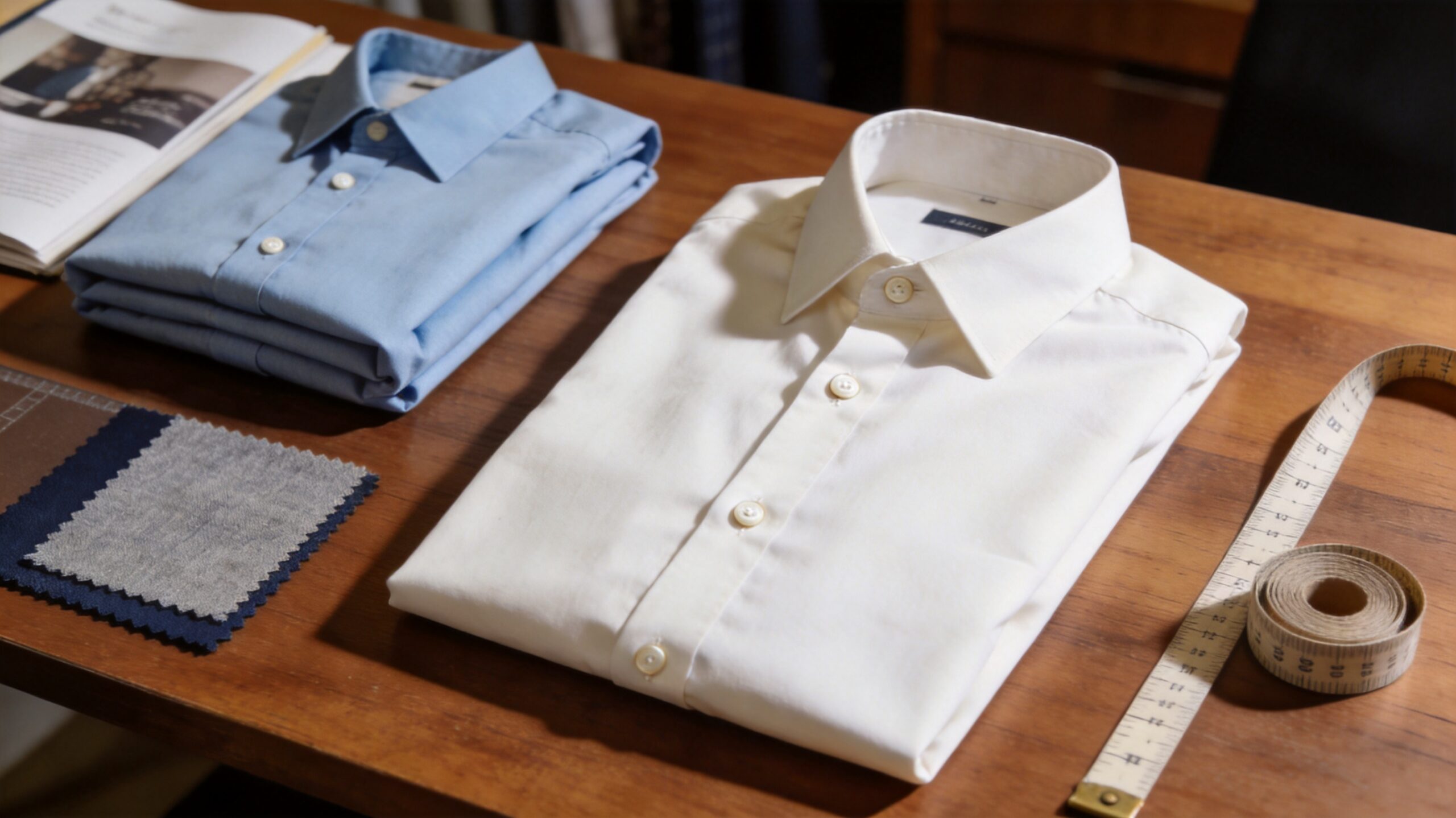
Business casual button down shirts have become the backbone of modern corporate uniform programs, but choosing the right ones for your team involves more than just picking a style. In my experience working with procurement teams, the best decisions come from understanding fabric technology, fit science, and the practical realities of bulk purchasing. Let me walk you through what actually matters when you are sourcing these essential garments at scale.
Why Business Casual Button Down Shirts Dominate Corporate Uniforms
The Shift from Formal Attire to Polished Casual
Corporate dress codes have changed dramatically over the past decade. The rigid two-piece suit standard has given way to a more flexible yet still professional aesthetic. Business casual button down shirts now serve as the cornerstone of this evolution, striking the perfect balance between approachability and authority. For procurement managers and HR directors, this shift represents not just a stylistic change but a strategic opportunity to enhance company culture while maintaining a credible external image. When sourcing these essential garments, working with a home textile manufacturer that understands corporate quality standards can streamline your procurement process significantly.
Key Benefits for Employers and Employees
The adoption of business casual shirts as standard uniform items delivers measurable advantages. Employers benefit from a cohesive brand image that photographs well for marketing materials and instills client confidence. Employees, meanwhile, report higher comfort levels and job satisfaction when permitted to wear well-fitted, breathable button downs rather than restrictive formalwear. Additionally, a standardized business casual uniform simplifies the daily decision-making process, reducing morning stress and ensuring consistent presentation across all departments.
Defining Business Casual: What Makes a Button Down Shirt Appropriate
Fabric Standards: Cotton, Blends, and Performance Weaves
Not every button down qualifies as appropriate business casual attire. Fabric selection is the first filter. High-quality 100% cotton options offer breathability and a natural drape, while cotton-polyester blends provide enhanced durability and reduced wrinkling. Performance weaves incorporating spandex or elastane deliver stretch for employees in active roles. For corporate programs, look for fabrics with a minimum weight of 4.5 ounces per square yard to ensure opacity and professional structure. A four-way stretch long-sleeve shirt exemplifies how performance fabrics can maintain a polished appearance while offering superior mobility for employees who need it.
Fit Profiles: Tailored, Regular, and Relaxed Cuts
Fit determines whether a shirt reads as “sharp professional” or “sloppy weekend wear.” Tailored cuts feature a narrower waist and slightly shorter hem, ideal for employees who tuck in their shirts. Regular fits offer balanced proportions suitable for most body types. Relaxed cuts accommodate larger frames but should be reserved for roles where movement is prioritized over aesthetics. A successful uniform program typically offers at least two fit profiles to accommodate diverse team members.
Color and Pattern Guidelines for Professional Settings
Color psychology plays a critical role in corporate branding. Solid whites and light blues remain the safest choices for client-facing roles, projecting cleanliness and trustworthiness. Earth tones like heather gray and sage green work well for internal teams. When incorporating patterns, limit options to subtle stripes or checks—never bold prints. Establish a clear palette of 3–5 approved colors to maintain visual consistency across your workforce.
Key Specifications for Bulk Procurement
Durability Metrics: Thread Count and Seam Construction
When purchasing business casual shirts at scale, durability directly impacts your total cost of ownership. Look for thread counts between 80 and 120 for everyday wear—higher counts feel luxurious but may wear faster in high-friction areas. Examine seam construction: single-needle stitching offers cleaner aesthetics, while double-needle stitching at stress points like shoulders and side seams significantly extends garment lifespan. Request fabric abrasion test results from suppliers to verify pilling resistance. For a deeper understanding of textile performance standards, consult this technical reference on fabric durability testing methodologies.
Care Requirements: Wrinkle Resistance and Laundry Efficiency
Commercial laundry costs add up quickly across a large workforce. Prioritize wrinkle-resistant finishes that reduce ironing requirements and allow for efficient bulk washing. Fabrics labeled “easy care” or “non-iron” typically undergo resin treatments that maintain a crisp appearance through multiple wash cycles. Also consider stain-release technologies, particularly for food service or field-based teams where spills are common.
Sizing Consistency Across Vendor Batches
One of the most common complaints in uniform programs is inconsistent sizing between orders. When evaluating suppliers, request size specification sheets that detail exact measurements for chest, waist, sleeve length, and yoke width. Insist on samples from multiple production batches to verify tolerance levels. Reputable manufacturers maintain size consistency within ±0.5 inches across production runs—anything beyond that will create costly return and exchange logistics.
Comparing Button Down Styles for Different Corporate Roles
Classic Oxford vs. Poplin vs. Flannel
Each weave serves a distinct purpose. Oxford cloth features a basketweave texture that reads as classic and slightly rugged—ideal for sales teams and field representatives. Poplin offers a smooth, crisp finish that photographs well and suits executive support staff. Flannel provides warmth and softness for winter months but should be limited to internal-facing roles due to its casual character. Many successful programs rotate between Oxford and poplin as year-round staples.
Short Sleeve vs. Long Sleeve for Seasonal Uniforms
Sleeve length is a practical decision, not just a stylistic one. Long sleeve business casual shirts offer versatility—employees can roll sleeves in warm weather or pair with blazers in cooler months. Short sleeve options reduce fabric costs and improve comfort for warehouse or outdoor roles. A balanced approach: issue long sleeve shirts as the primary uniform item and offer short sleeve versions as an optional add-on for summer months or heat-intensive environments. A four-way stretch short-sleeve shirt can serve as an excellent warm-weather complement to your core long-sleeve inventory.
Gender-Specific and Gender-Neutral Options
Modern uniform programs must accommodate diverse workforces. Traditional men’s and women’s cuts differ in waist suppression, shoulder width, and button placement. Increasingly, suppliers offer gender-neutral fits that provide consistent sizing across all employees. When selecting options, prioritize comfort and function over rigid gender categorization, and always include fit models from various body types during the selection process.
Sourcing Strategies for Corporate Uniform Programs
Direct Manufacturer vs. Wholesale Distributor Sourcing
Direct manufacturer relationships typically yield 10–20% cost savings on large orders and allow for greater customization. However, they require higher minimums and longer lead times. Wholesale distributors offer faster turnaround, lower minimums, and consolidated shipping from multiple brands—valuable flexibility for smaller programs or urgent restocking. Many established programs use a hybrid approach: direct sourcing for core items, distributor partnerships for rapid replenishment. Exploring the services offered by specialized uniform manufacturers can help you determine which sourcing model aligns with your program’s scale and customization needs.
Minimum Order Quantities and Lead Times
Before committing to a supplier, clarify minimum order quantities (MOQs) per style, color, and size. Standard MOQs range from 50–200 pieces per SKU. Lead times for bulk business casual shirt orders typically span 4–8 weeks for stock items and 8–12 weeks for custom-manufactured pieces. Build seasonal ordering calendars that account for these timelines, ensuring new hires receive uniforms without extended waiting periods.
Custom Branding: Embroidery and Logo Placement
Branding transforms generic shirts into cohesive uniforms. Left-chest embroidery remains the industry standard for corporate programs, offering visibility without overwhelming the shirt design. For maximum durability, choose polyester thread over cotton—it resists fading and maintains color integrity through industrial washing. If you require larger logos or back-of-shirt branding, consider screen printing or heat transfer applications, though these may have shorter lifespans than embroidery.
Implementing a Button Down Uniform Program
Employee Fit and Sizing Kits
A successful rollout begins with accurate sizing. Provide physical sizing kits containing sample shirts in each available size for employees to try on before ordering. Supplement this with detailed measurement guides and video tutorials demonstrating proper measuring techniques. Collect sizing data digitally to streamline future orders and identify size distribution patterns that inform inventory planning.
Budgeting for Replacement and Turnover
Uniform programs require ongoing investment, not just initial purchase. Industry standards suggest replacing business casual shirts every 12–18 months for daily-wear employees. Factor in a 10–15% annual replacement rate for normal wear and tear, plus additional inventory for new hires. Allocate budget for seasonal variations if your program includes both short and long sleeve options.
Managing Style Compliance Across Departments
Consistency requires clear communication. Develop a visual style guide showing approved shirts, proper fit examples, and acceptable styling combinations. Distribute this guide during onboarding and reinforce it through periodic reminders. Designate department managers as style ambassadors who can answer questions and address compliance issues before they become problematic. Regular audits of uniform presentation help maintain standards without creating a punitive atmosphere.
Frequently Asked Questions About Business Casual Button Downs
What is the Difference Between Business Casual and Smart Casual?
Business casual button down shirts represent the formal end of the casual spectrum. Business casual requires collared shirts, tailored trousers or skirts, and closed-toe shoes. Smart casual allows more flexibility—polo shirts, chinos, and even high-quality knitwear are acceptable. For corporate uniform programs, business casual provides clearer boundaries and a more consistently professional appearance. For additional perspectives on workplace attire standards, this industry reference offers useful context on professional dress expectations.
How Many Shirts Should Each Employee Receive?
The standard allocation is 5–7 business casual shirts per employee for a five-day work week. This allows for one shirt per workday plus extras for unexpected spills or laundry delays. For employees in client-facing roles or those working overtime regularly, consider increasing the allocation to 8–10 shirts. Always maintain a small inventory of backup sizes for emergency replacements.
Can Performance Fabrics Replace Traditional Cotton?
Modern performance fabrics—moisture-wicking polyesters, bamboo blends, and technical weaves—offer genuine advantages in temperature regulation and stain resistance. However, they often lack the natural drape and breathability of cotton in sedentary office environments. The best approach is a blended strategy: traditional cotton blends for standard office roles, performance fabrics for field teams and physically active positions. This ensures every employee has appropriate attire for their specific work conditions.