
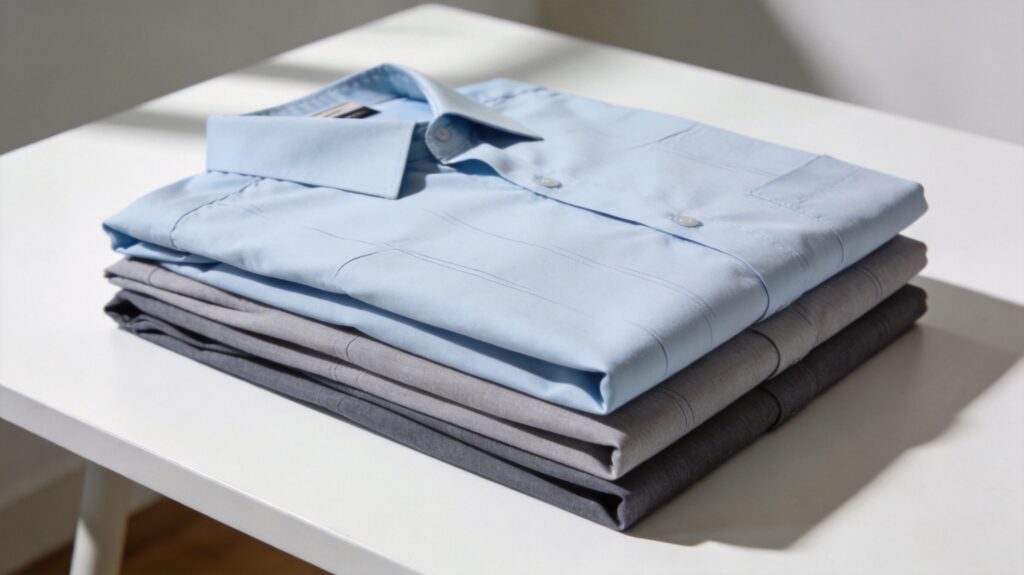
Wholesale Stretch Shirts: Why 4-Way Stretch Matters for Manufacturers
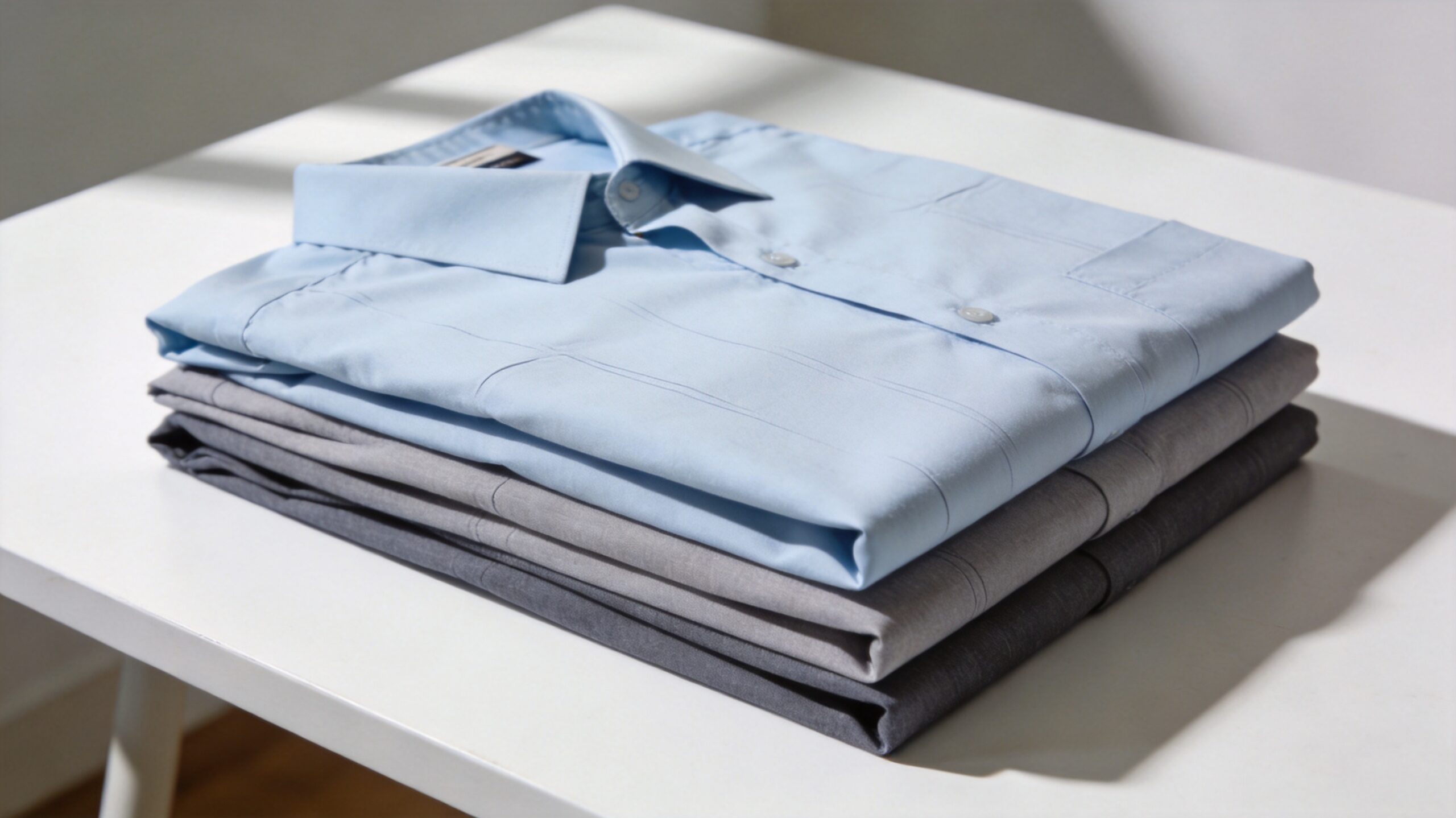
The apparel manufacturing landscape has shifted dramatically over the past decade. What was once considered a premium feature in casual wear is now an industry standard that buyers expect as a baseline. For any serious player in the wholesale stretch shirts market, understanding the mechanics of 4-way stretch is no longer optional—it’s essential. As an industry reference, the technical specifications for stretch fabrics continue to evolve, making it crucial to stay informed.
Defining 4-Way Stretch vs. 2-Way Stretch
The distinction comes down to fiber orientation and weave construction. A 2-way stretch fabric stretches only along one axis—typically the weft (horizontal) direction. This provides limited mobility and is common in lower-cost woven fabrics. A 4-way stretch fabric, by contrast, expands along both the warp and weft directions, offering recovery in every direction of movement.
For end users, this translates to a garment that moves with the body rather than restricting it. When you’re sourcing stretch shirt wholesale quantities for clients who spend eight hours on their feet or in meetings, that difference is immediately noticeable. The fabric snaps back to its original shape after every stretch, preventing the permanent bagging that plagues cheaper garments.
Key Fabric Blends for Stretch Shirt Wholesale Orders
The most reliable 4-way stretch fabrics combine synthetic elastane with natural or cellulosic fibers. Common blends include:
- Cotton-Spandex (92-97% cotton, 3-8% spandex): The workhorse of the industry. Offers breathability with moderate stretch.
- Polyester-Spandex: Superior recovery and moisture-wicking properties. Ideal for performance-oriented casual shirts.
- Rayon-Spandex: Drapes beautifully and feels luxurious against the skin, though it requires careful handling in production.
- Modal or Tencel-Spandex: Eco-conscious options that deliver softness and excellent stretch retention.
When evaluating fabric suppliers for stretch shirt wholesale programs, request the exact spandex percentage in writing. Anything below 3% will likely disappoint on recovery; anything above 8% may compromise the garment’s structure and drape.
How Stretch Impacts Fit, Comfort, and Returns
The financial case for 4-way stretch is compelling. Retailers and distributors consistently report lower return rates on stretch garments compared to rigid fabrics. Why? Because a 4-way stretch shirt accommodates a wider range of body shapes within a single size. A medium fits a customer who is 5’9″ and 150 pounds just as comfortably as one who is 5’11” and 175 pounds.
This size flexibility reduces the “doesn’t fit” returns that plague online apparel sales. For B2B buyers, that means fewer chargebacks, less reverse logistics cost, and higher customer satisfaction scores. Our C320 Four-Way Stretch Long-Sleeve Shirt exemplifies how proper stretch engineering delivers this fit flexibility.
Critical Specifications to Verify Before Placing a Stretch Shirt Wholesale Order
Before you commit capital to a stretch shirt wholesale order, you need to verify several technical specifications that will determine whether your product succeeds or fails in the market.
GSM, Stretch Recovery, and Shrinkage Tolerance
GSM (grams per square meter) is your first checkpoint. For casual stretch shirts, 140-180 GSM is the sweet spot—substantial enough to feel quality, light enough for year-round wear. Below 130 GSM, the fabric feels flimsy; above 200 GSM, you’re paying for weight that may not suit your target market.
Stretch recovery is measured as a percentage of the fabric’s ability to return to its original dimensions after being stretched. Industry standard for quality 4-way stretch is 90% or higher recovery within 30 seconds of release. Ask your supplier for their test data. If they can’t provide it, that’s a red flag.
Shrinkage tolerance should not exceed 3-5% in both directions after three wash cycles. Anything higher will cause fit issues that customers will blame on your brand, not the fabric.
Colorfastness and Dye Consistency Across Batches
When you order stretch shirts in bulk, you’re likely ordering multiple colors. Dye consistency across production runs is critical. Request a dye lot guarantee in your contract. Reputable manufacturers will commit to a Delta E rating of 1.0 or lower between batches—meaning the color difference is imperceptible to the human eye.
Sizing Charts and Grading for Bulk Production
Your size grading must account for the stretch factor. A common mistake is using the same grading increments as rigid fabrics. With 4-way stretch, you can often reduce the number of sizes needed while maintaining fit quality. Many manufacturers are now offering XS-3XL ranges with stretch fabrics that fit more people per size than traditional cuts.
Comparing Casual Shirts: Woven vs. Knit Stretch Fabrics
When sourcing casual shirts, you’ll encounter two broad fabric categories, each with distinct advantages for bulk buyers.
Dress-Casual Wovens with Mechanical Stretch
Woven stretch fabrics achieve elasticity through either spandex inclusion or mechanical stretch technology. Mechanical stretch wovens use special weaving techniques that create natural give without elastane. These are ideal for dress-casual shirts that need to maintain a crisp, professional appearance while offering movement.
The trade-off: mechanical stretch wovens typically offer less recovery than spandex blends. They also cost more per yard due to the complex weaving process.
Performance Knits for Everyday Casual Shirts
Knit fabrics are naturally stretchy due to their looped construction. When combined with spandex, they deliver exceptional 4-way stretch and recovery. Performance knits excel in casual shirts designed for active lifestyles—think golf shirts, travel wear, and weekend casual. Our D320 Four-Way Stretch Short-Sleeve Shirt is a prime example of knit stretch technology applied to everyday casual wear.
Cost and Durability Trade-offs for Bulk Buyers
For bulk buyers, the decision often comes down to application. Wovens offer a more polished look but are less forgiving in fit. Knits are more comfortable and easier to manufacture consistently, but they may read as too casual for certain corporate environments. Your product line should likely include both, positioned at different price points to capture maximum market share.
Top Use Cases for Wholesale Stretch Shirts in B2B Markets
Understanding where your stretch shirt wholesale inventory will end up helps you make smarter sourcing decisions.
Uniforms and Corporate Apparel Programs
Corporate uniform programs demand consistency, durability, and professional appearance. 4-way stretch shirts reduce the need for custom tailoring, simplify inventory management, and improve employee satisfaction. Companies that provide uniforms with stretch report higher retention and lower uniform replacement costs.
E-commerce Private Label Casual Shirts
For e-commerce brands, the fit flexibility of 4-way stretch directly impacts conversion rates and return rates. A private label casual shirt with 4-way stretch can be marketed as “one size fits more,” reducing the friction of online size selection.
Hospitality and Service Industry Staffing
Hospitality staff—waitstaff, front desk personnel, event coordinators—need uniforms that look sharp but allow constant movement. Stretch shirts reduce fatigue during long shifts and maintain their appearance from opening to closing.
Sourcing Strategies: Selecting a Reliable Stretch Shirt Manufacturer
Your manufacturer is your partner in quality. Choosing poorly will cost you far more than you save on unit price.
Auditing Fabric Sourcing and Mill Certifications
Ask potential manufacturers for their fabric sourcing documentation. Do they use certified mills? Are their spandex suppliers reputable? Request OEKO-TEX or similar certifications to ensure your garments are free from harmful substances.
Minimum Order Quantities and Lead Times
Stretch fabrics require specialized knitting and finishing equipment. Manufacturers with lower MOQs may be cutting corners on fabric quality. Expect MOQs of 500-1,000 pieces per colorway for quality stretch shirt wholesale programs. Lead times typically run 60-90 days from order confirmation to shipment.
Requesting Pre-Production Samples and Fit Tests
Never skip the pre-production sample stage. Request samples in every size you plan to offer, not just a single middle size. Conduct your own fit tests with a diverse group of wear testers. Document the results and share them with your manufacturer before approving bulk production. Reviewing our product catalog can help you identify which stretch shirt styles warrant sample testing.
Pricing and Logistics: Getting the Best Value on Bulk Casual Shirts
Negotiating Unit Costs Without Sacrificing Stretch Quality
The lowest unit price is rarely the best value. When negotiating, focus on total landed cost per wearable unit. Factor in return rates, quality defects, and customer lifetime value. A shirt that costs $1 more but reduces returns by 5% is a better investment.
Freight, Duties, and Warehousing Considerations
Stretch fabrics are lightweight but bulky. Freight costs can vary significantly based on origin and destination. Consider using a freight forwarder with experience in apparel logistics. If you’re importing, understand the duty classification for your garments—stretch shirts may fall under different tariff codes than rigid fabrics.
Managing Inventory for Seasonal Demand
Stretch shirts have a longer selling season than many apparel categories, but demand still peaks in spring and fall. Plan your production calendar accordingly. Order your core colors in larger quantities and reserve production capacity for seasonal colorways.
Common Quality Pitfalls in Wholesale Stretch Shirts and How to Avoid Them
Bagging Knees and Elbows: Recovery Failure
The most common complaint with stretch garments is permanent bagging at high-stress points. This occurs when the spandex content is too low or the fabric hasn’t been properly heat-set during finishing. Insist on recovery testing data before approving production.
Seam Puckering and Stitch Breakage
Stretch fabrics require specialized sewing techniques. Standard lockstitch machines can cause puckering or break when the fabric stretches. Your manufacturer should use coverstitch or overlock machines with stretch-compatible thread. Request seam strength test results.
Inconsistent Dye Lots Across Production Runs
If you’re ordering multiple colors or reordering the same color later, dye lot consistency is critical. Build a clause into your contract that requires all pieces in a single order to come from the same dye lot. For reorders, require a physical sample match before production begins.
FAQ: Wholesale Stretch Shirts for Manufacturers and Distributors
What Is the Minimum Order for Custom Stretch Shirts?
Most quality manufacturers require a minimum of 500 pieces per colorway for custom stretch shirt wholesale programs. Some offer lower MOQs for stock colors or blank garments, typically 100-200 pieces. Custom fabric development will require significantly higher minimums—often 1,000-3,000 yards of fabric.
Can 4-Way Stretch Shirts Be Used for Screen Printing?
Yes, but with caveats. The stretch factor means you need inks that can flex with the fabric. Use polyurethane-based inks or silicone inks designed for stretch applications. Test your printing process on pre-production samples to ensure the print doesn’t crack or peel when the garment is stretched.
How Do I Test Stretch Quality Before Committing to Bulk Orders?
Request a fabric swatch and conduct your own stretch test. Stretch the fabric to its maximum and hold for 10 seconds, then release and measure recovery after 30 seconds. The fabric should return to at least 90% of its original dimensions. Also, wash the swatch three times and re-measure to check for shrinkage and recovery degradation.
The wholesale stretch shirts market rewards buyers who understand the technical nuances behind the product. By prioritizing 4-way stretch quality, verifying critical specifications, and partnering with manufacturers who share your commitment to quality, you position your business to capture growing demand in the casual shirts segment. The upfront effort in due diligence pays dividends in reduced returns, higher customer satisfaction, and a reputation for quality that keeps buyers coming back. For more insights on our manufacturing capabilities, visit our about page to learn how we support wholesale partners.